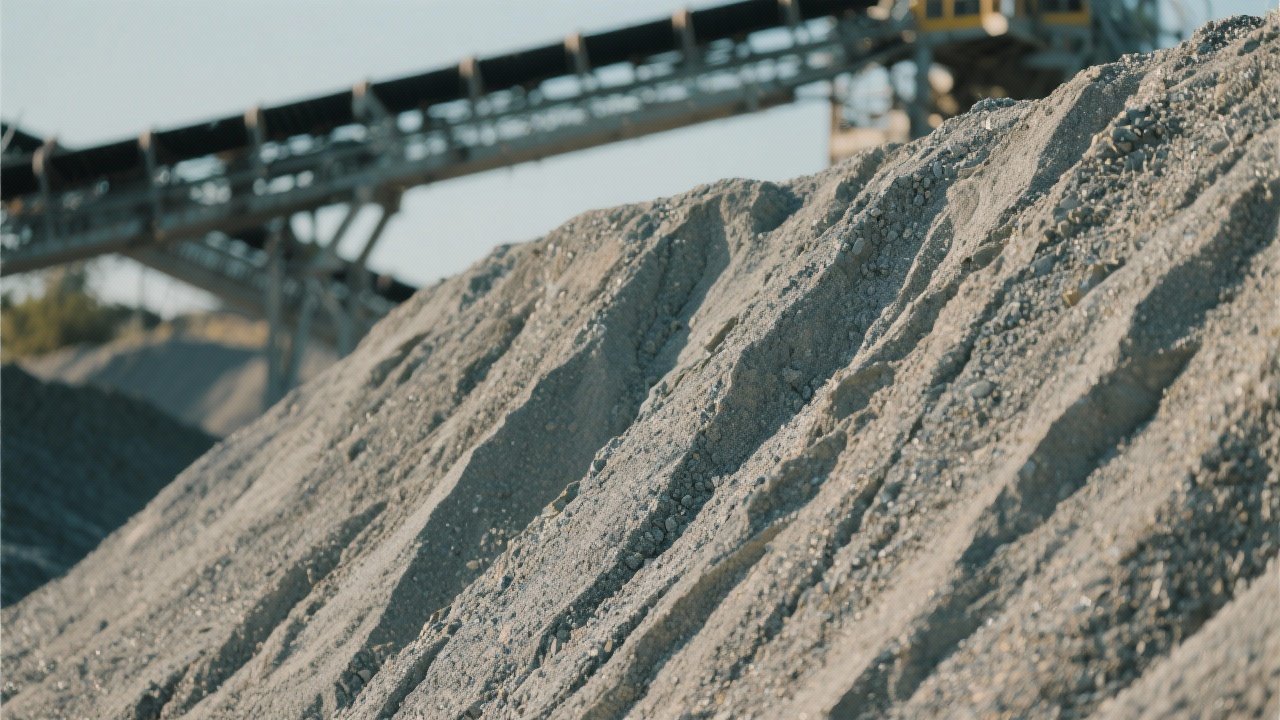
Recycling operations depend on speed, accuracy, and efficient material movement. Whether handling crushed concrete, scrap metal, wood waste, asphalt millings, or mixed construction debris, recycling yards must run smoothly to stay competitive. One of the most important pieces of recycling yard equipment today is the radial stacking conveyor. These versatile machines help operators move and store material with precision, reduce loader traffic, and maximize available space. For many facilities, the upgrade to a Portable Radial Stacker Conveyor has delivered major improvements in production flow, stockpile consistency, and overall recycling yard efficiency.
Radial stacking conveyors do more than just move material. They organize the yard, keep processing lines from backing up, and expand usable storage capacity without the need for additional land. This article explains what recycling operators should look for when choosing a radial stacking conveyor and how to select the best model for long term success.
Understanding the Role of Radial Stackers in Recycling Yards
Recycling yards deal with constant movement of incoming and outgoing materials. Trucks deliver debris, loaders reposition piles, and processing equipment shapes materials into reusable products. Without efficient material handling solutions, a yard can quickly become congested, leading to slowdowns, safety risks, and wasted labor.
Radial stacking conveyors help solve these issues by creating uniform stockpiles while the operator focuses on processing. They allow for continuous flow, proper organization, and reduced dependence on heavy machinery. By integrating advanced recycling conveyor systems into the yard layout, operators achieve smoother traffic flow and better use of available space.
More importantly, radial stackers reduce loader operating hours. Loaders can then be assigned to higher value tasks, such as feeding shredders, screens, or crushers.
Key Benefits of Radial Stacking Conveyors in Recycling Operations
Before selecting a conveyor, it is important to understand how they enhance recycling yard efficiency. The most impactful benefits include:
Larger, Cleaner Stockpiles
Radial stacking conveyors rotate to build tall, evenly layered piles. This maximizes vertical and horizontal space, allowing more processed material to accumulate without expanding the yard.
Reduced Fuel and Labor Costs
Because conveyors take over most of the stockpiling work, loaders travel less, burn less fuel, and experience less mechanical wear.
Lower Yard Congestion
Eliminating unnecessary loader movement improves safety and creates a cleaner layout with fewer equipment interactions.
Consistent Material Flow
Recycling conveyor systems maintain steady output from crushers and screens, preventing bottlenecks and downtime.
Better Material Quality
Uniform deposition prevents contamination and helps maintain consistent particle size in recycled products such as crushed concrete, mulch, or metal fragments.
These advantages make radial stackers essential material handling solutions for recycling operations of all sizes.
What to Look For When Choosing a Radial Stacker for Recycling Yards
Selecting the right radial stacking conveyor requires balancing durability, mobility, capacity, and compatibility with existing recycling yard equipment. Below are the most important features operators should consider.
1. Robust Frame and Heavy Duty Construction
Recycling environments are tough. Materials like scrap metal, asphalt, and C&D waste place heavy demands on equipment. The conveyor must be built with a reinforced frame, protected idlers, and high quality belting capable of handling abrasive materials.
Look for:
- Thick steel construction
- Durable undercarriage components
- Corrosion resistant coatings
- High tension belting
- Heavy duty rollers and bearings
A lightweight or cheaply built conveyor will not survive long in a recycling yard.
2. Mobility and Easy Positioning
Recycling yards evolve constantly. New materials arrive, old piles are removed, and processing stations change place. This is why mobile stacking conveyors are a top choice for operators who need flexibility.
Features that support mobility include:
- Towable wheels
- Hydraulic lift systems
- Fast setup and teardown
- Compact transport size
- Ability to reposition with a pickup or loader
A portable conveyor saves time and keeps operations moving even during layout changes.
3. Adjustable Discharge Height and Long Reach
To maximize stockpile volume, the conveyor must offer sufficient reach and stacking height. Longer conveyors create wider stockpiles and greater capacity. A tall discharge height reduces compaction and allows operators to store more material in the same footprint.
Ideal features include:
- Adjustable discharge points
- Telescoping boom options
- High angle capability
- Smooth arc rotation
These capabilities ensure the conveyor adapts to varying yard needs.
4. Compatible Belt Width and Speed
Choosing the right belt width is critical for matching the conveyor to existing recycling yard equipment. If the belt is too narrow, the system becomes a bottleneck. If it is too wide, the material stream may be inconsistent or difficult to control.
Most recycling applications rely on belt widths between 24 and 36 inches. Belt speed should be adjustable to handle different material densities and production rates without spillage or overloading.
5. Automation and Stockpile Programming
Modern recycling facilities increasingly adopt automation to reduce manual labor and improve consistency. Advanced radial stacking conveyors often include programmable stockpile patterns that automatically control the conveyor’s arc, speed, and lift.
Benefits include:
- Perfectly shaped piles
- Reduced operator involvement
- Lower risk of material contamination
- Optimized space usage
Automation also decreases the likelihood of human error during material placement.
6. Safety Systems Designed for High Traffic Environments
Recycling yards can be hazardous due to constant movement of machines, materials, and personnel. Safety features on the conveyor are essential for protecting workers and maintaining compliance.
Look for:
- Emergency stop controls
- Guarding on moving parts
- Anti rollback devices
- Warning alarms
- Clear sightlines for operators
A well designed conveyor increases safety and reduces accidents in busy recycling environments.
7. Easy Maintenance Access
To keep production running, recycling equipment must be easy to service. Radial stackers with simple, accessible maintenance points allow operators to quickly inspect belts, rollers, pulleys, and motors.
Good maintenance features include:
- Grease points at ground level
- Quick change roller assemblies
- Easily accessible belt tension systems
- Minimal electrical complexity
Durability and serviceability go hand in hand when handling abrasive and unpredictable recycling materials.
How Radial Stackers Integrate into Recycling Operations
Radial stacking conveyors support nearly every recycling sector because they ensure material moves efficiently and consistently. Some common applications include:
Construction and Demolition Waste
Radial stackers separate and store crushed concrete, asphalt, and mixed rubble.
Scrap Metal Recycling
Conveyors help create organized piles of ferrous and non ferrous materials.
Wood Waste Processing
Mulch producers rely on conveyors to build clean, high volume piles.
Asphalt and Pavement Recycling
Stockpiles of RAP must be clean, consistent, and maintained properly.
Municipal Recycling Facilities
Radial stackers assist with glass, plastic, and mixed recyclables, reducing loader dependency.
In all these settings, radial stackers reduce chaos, increase control, and keep processing lines unclogged.
Why Radial Stackers Are a Smart Investment for Recycling Yards
Recycling yards operate in fast paced environments where material flow must remain consistent and controlled. Radial stacking conveyors are essential because they improve productivity, reduce operating costs, and keep the yard organized.
The key benefits include:
- Greater yard efficiency
- Better use of limited space
- Lower labor needs
- Higher safety standards
- Longer equipment life due to reduced loader usage
- Cleaner, more consistent stockpiles
When operators choose durable, mobile, and automation ready radial stackers, the payoff is immediate and long lasting.