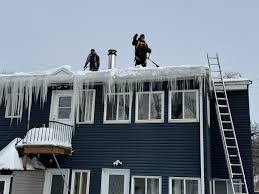
There’s a guy in Deer Run who swore by one piece of advice for years: if you can’t see a problem with your roof from the street, there isn’t one. He repeated it to anyone who’d listen. Then came the spring of 2022 when his ceiling collapsed in the master bedroom. Turns out water had been pooling above that ceiling for months, and he never noticed a thing. From the street, his roof looked perfect.
That’s the trouble with roofing myths. They feel true. They get passed down through families and neighbourhoods like heirlooms. And they cost people serious money when reality catches up.
Calgary throws everything at residential roofs. Chinooks, hail, snow loads, temperature swings that would confuse a thermometer. Believing the wrong thing about roof care in this climate isn’t just incorrect. It’s expensive.
No Leak Means No Problem
This myth destroyed that Deer Run ceiling. And variations of it have cost countless Calgary homeowners thousands in repairs that could’ve been caught early.
Water doesn’t fall straight down through a house. It travels. A breach in the roof might send moisture running along a rafter for eight feet before it finds somewhere to drip. It soaks insulation that nobody can see. It creates conditions for mold in spaces most homeowners don’t know exist. The whole time, ceilings stay dry and everyone assumes everything’s fine.
By the time water actually appears inside, damage has been accumulating for weeks or months. Regular inspections catch failing seals, lifted shingles, and compromised flashing long before they create interior problems. That’s why understanding what goes into a proper roof evaluation matters more than most people realize.
Gutters Are a Separate Issue
A homeowner in Cranston was mystified by water damage along his roof edge last winter. His shingles were only four years old. What gives?
His gutters were packed with leaves and debris. Water backed up, froze, and created a textbook ice dam situation. That ice forced water under his shingles and into the fascia. Four years of life left on those shingles, and they were already failing because of something that had nothing to do with the shingles themselves.
Gutters and roofs work as a system. Neglect one, damage the other. That fall cleanup everyone keeps putting off? It’s roof maintenance, whether people think of it that way or not. Clear those gutters before the first hard freeze or deal with the consequences come spring.
Dark Shingles Turn Houses Into Saunas
A client in Evergreen refused dark charcoal shingles last year because she was convinced they’d make her house unbearable every July. Fair logic, honestly. Dark colours absorb heat. Everyone knows that basic fact.
But here’s what that logic misses: there’s an entire attic between shingles and living space. And that attic, when properly ventilated and insulated, doesn’t care much what colour sits on top of it. Hot air rises, ventilation exhausts it, insulation blocks what’s left. The temperature difference between light and dark shingles on actual indoor comfort? Minimal at best.
Modern shingles also include reflective granules regardless of colour. Pick what looks good on the house. Spend energy worrying about ventilation and insulation instead, the things that actually move the needle on energy efficiency.
A 25-Year Warranty Means 25 Years of Protection
This one frustrates roofing professionals because it’s technically true and practically misleading at the same time.
Yes, shingles come with a 25-year warranty. But pull out the actual document and read it. Most warranties prorate heavily after year 10. Year 15, coverage might drop to 40% on materials only. Labour? Usually not covered past the first couple years. And there’s a whole list of things that void coverage entirely: improper ventilation, lack of maintenance, installation by non-certified contractors.
In Calgary specifically, the climate accelerates wear. The combination of UV, hail, and thermal cycling means a 25-year shingle realistically performs well for maybe 18 to 22 years with diligent maintenance. Budget accordingly. That warranty isn’t the safety net most people think it is.
YouTube Makes DIY Roof Repairs Safe
Everyone loves a good DIY project. Changing a furnace filter feels like a victory. But roofing sits in a completely different category.
First, the danger. Roof falls send thousands of people to emergency rooms every year across North America. That’s not a scare tactic, just data. Second, the complexity. Sealing a roof penetration incorrectly doesn’t show problems immediately. It creates a slow failure that manifests months later and causes far more damage than the original issue.
Third, warranties. Most material warranties require professional installation. DIY work voids them. So someone saves $300 on labour, then loses $3,000 in warranty coverage when something goes wrong. The math doesn’t work out.
Leave roofing to people who do it daily and know where the hidden failure points live.
Insurance Covers Everything
After every major hailstorm in Calgary, this refrain echoes through neighbourhoods: doesn’t matter, insurance will cover it. And sometimes that’s true. Hail damage from a documented storm? Usually covered, minus the deductible.
But insurance doesn’t cover neglect. It doesn’t cover wear and tear. It doesn’t cover failures caused by lack of maintenance. If an adjuster determines that damage resulted from deferred repairs or inadequate upkeep rather than a covered event? Claim denied.
Keep records of maintenance. Document inspections. Have professionals note the condition of the roof periodically. When filing a legitimate claim, that paper trail helps. And understanding what a policy actually covers before needing it prevents ugly surprises.
All Roofing Quotes Are Basically the Same
“Just go with the first contractor, they’re all pretty much the same anyway.”
Anyone who’s actually collected multiple roofing quotes knows how wrong this is. Quotes for the same job can range from $8,000 to $14,000. Same house. Same scope. Wildly different prices, materials, and warranties offered.
Some of that variation reflects quality differences. Premium materials cost more. Experienced crews charge more. But some of it reflects contractors who are too busy and price high to discourage work, or contractors desperate enough to underbid and cut corners later.
Three quotes minimum. Compare not just prices but what’s included, what’s excluded, what warranties apply, and how clearly each contractor explains their approach. When gathering information, reaching out to established local roofers gives a solid baseline to compare against.
Maintenance Is Just Contractors Looking for Work
Cynical? Sure. Understandable? Also yes. Nobody likes feeling upsold.
But here’s a real scenario. A family in Sage Hill skipped inspections for seven years. Saved maybe $700 total. Then they discovered their flashing had failed years earlier and water had been soaking their deck sheathing. Tear-off revealed rot across a 12-foot section. Repair cost: $6,200 for new decking alone, plus the full replacement on top of that.
Annual inspections aren’t about finding work that doesn’t exist. They’re about catching small problems before they compound into disasters. That cracked sealant boot around a plumbing vent? Fifteen minute fix during a routine visit. Ignore it for three years and suddenly there’s ceiling drywall to replace and mold remediation to handle.
What Actually Matters
Roofing isn’t that complicated, really. Quality materials installed correctly. Regular maintenance to catch problems early. Professionals handling repairs and replacements. Don’t believe everything the neighbour says over the fence.
The myths persist because they offer easy answers. Skip the inspection, save the money. DIY it, save more money. Trust the warranty, stop thinking about it. But easy answers on roofing usually cost more down the road.
That guy in Deer Run finally got his ceiling fixed. Cost him about $11,000 all told, between the roof repair, the water damage, and the mold situation that developed while moisture sat trapped above his bedroom. All because he believed you could evaluate a roof from the street.
Don’t make the same mistake.