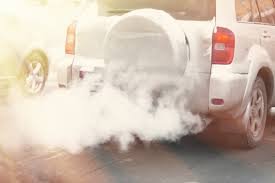
The California smog test is more than just a tailpipe check; it is a comprehensive digital and mechanical audit of your vehicle’s health. Most drivers fail not because their cars are “junk,” but because they don’t understand the specific triggers that cause the state’s computer to reject a vehicle. When the stakes involve your daily commute and registration fees, guessing is a losing strategy.
Success requires a shift from passive maintenance to active preparation. By addressing the subtle mechanical signals your car sends, you can ensure a “Pass” on the first try. If you are currently searching for a certified smog check station, choosing one with a solid reputation is your first step toward compliance.
Key Takeaways
- Never test immediately after a battery jump-start or replacement, as this erases the ECU memory and triggers an automatic “Not Ready” failure.
- Inspect the “Downstream” oxygen sensor wiring for heat damage, as frayed wires near the exhaust pipe can send false voltage spikes that mimic a failing catalytic converter.
- Maintain a half-full fuel tank during the test, which provides the optimal vapor pressure for the car’s internal Evaporative (EVAP) system self-diagnostics.
The “Readiness Monitor” Trap
The most common reason for failure in modern vehicles (post-2000) has nothing to do with smoke or odors. It is the “Readiness Monitor” status. Your car’s computer runs a series of internal self-tests on systems like the EGR, Catalyst, and Oxygen Sensors. If you recently cleared a dashboard light or disconnected the battery, these tests are wiped clean.
The biggest mistake I see beginners make in the shop is thinking that “no light” means “good to go.” If the monitors aren’t “Ready,” the smog machine will terminate the test immediately. You must perform a specific drive cycle—usually a mix of city idling and steady-state freeway cruising—to “set” these monitors.
Check these monitors with a basic OBD-II scanner before you pay for an inspection. If even one critical monitor is “Incomplete,” keep driving. It often takes two or three full “cold-to-hot” heat cycles for the computer to feel confident enough to report a passing status to the state.
Thermal Saturation: Beyond a Warm Engine
A catalytic converter is a chemical furnace. It does not become fully efficient until it reaches “light-off” temperature, which is often above 600°F. Simply driving around the block is insufficient. You need thermal saturation—where the entire exhaust system, including the heavy metal housing of the converter, is thoroughly heat-soaked.
When you are actually standing over the hood of a car that is ready for a test, you should feel a distinct wave of dry heat rising from the engine bay. The cooling fans might even be cycling on and off. This is the “sweet spot” for emissions testing.
Take the car on a 15-mile freeway run at 65 mph. Avoid aggressive “flooring” of the gas pedal, as this can dump excess fuel into the system and momentarily cool the converter. Aim for steady, consistent RPMs. When you arrive at the Los Angeles smog check facility, do not turn the engine off if you are next in line. Keeping the system hot is your best defense against high Carbon Monoxide (CO) readings.
The Visual Inspection: Small Details, Big Consequences
Technicians are trained to look for “tampering” before they ever hook up the sensors. A missing gas cap, a disconnected vacuum hose, or an aftermarket intake without a CARB-approved sticker will result in an immediate fail. Even a tiny crack in a plastic PCV breather hose can be cited as a “Visual Fail.”
Inspect your engine bay with a bright flashlight. Look for any rubber hoses that appear “shaved” or flat. Over time, vacuum pressure can collapse old, soft hoses, restricted air flow and confusing the MAP (Manifold Absolute Pressure) sensor.
The microfiber will aggressively grab the paint if you try to clean the engine, so stick to using a damp rag to wipe down the emission control label (usually located on the underside of the hood). The technician needs to read this label to verify the car’s engine family and required equipment. If he can’t read it, he might have to fail the car on a technicality.
Managing the Fuel-to-Air Ratio
If your car fails for “High HC” (Hydrocarbons), it usually means unburned fuel is making it all the way through the engine. This is often caused by a dirty air filter or a “lazy” spark plug. While a spark plug might not be “dead” enough to cause a misfire you can feel, it might be weak enough to leave a microscopic amount of fuel behind in the cylinder.
If your car has over 60,000 miles on the current plugs, replace them a week before the test. This ensures a crisp, hot spark that incinerates every drop of gasoline. Pair this with a fresh air filter. A clogged filter creates a “choke” effect, enriching the fuel mixture and forcing the catalytic converter to work twice as hard to keep up.
The Gas Cap and Pressure Seals
California’s smog test includes an “Evaporative” check to ensure gasoline fumes aren’t leaking into the atmosphere. The most frequent culprit is the gas cap. Over years of use, the rubber gasket on the cap dries out and develops micro-cracks.
Before heading to the station, remove your gas cap and inspect the black rubber ring. If it feels hard or brittle, replace it with an OEM (Original Equipment Manufacturer) version. Avoid cheap “click-style” universal caps from the grocery store aisle; they often fail the pressure-hold test performed by the smog machine’s specialized testing rig.
Professional Perspective: The “Fresh Oil” Advantage
I always recommend an oil change roughly 50 miles before a smog test. Old engine oil naturally becomes contaminated with trace amounts of raw gasoline. Through the Positive Crankcase Ventilation (PCV) system, these fuel vapors are sucked back into the intake to be burned.
In a borderline car, these extra vapors can be enough to tip your Hydrocarbon levels over the legal limit. Fresh oil is “clean” and doesn’t off-gas these extra pollutants. However, do not change the oil in the parking lot of the smog station. You need those 50 miles of driving to ensure the new oil has circulated and any air bubbles in the variable valve timing (VVT) system have been purged.
What to Do if You Fail
If the technician hands you a “Fail” certificate, do not treat it as a death sentence for the car. Read the data. High NOx (Nitrogen Oxides) usually points to a cooling issue or a carbon-clogged EGR valve. High HC (Hydrocarbons) points to ignition or fuel delivery problems.
Ask the technician for their honest observation. While they cannot always give a formal diagnosis, they often see patterns. They might notice that “the cat took a long time to wake up,” which tells you exactly where to focus your repairs.
Your next immediate action should be to check your vacuum lines for leaks and verify that your cooling system is maintaining the proper pressure. Once the mechanical issues are resolved, ensure your readiness monitors are reset through a proper drive cycle before returning for your re-test. Consistent preparation is the only way to navigate the California emissions landscape with confidence.