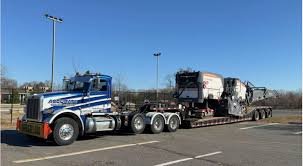
In today’s fast-moving heavy logistics industry, multi axle trailer transport has become one of the most reliable and efficient solutions for moving oversized and high-tonnage cargo. From construction machinery to industrial equipment and energy infrastructure components, this specialized transport method ensures stability, compliance, and safety across complex routes.
For companies like Heavy Lux, multi axle trailer transport is not just a service; it’s a precision-driven logistics strategy designed to handle extreme weights while maintaining route safety, regulatory compliance, and cost efficiency. As infrastructure projects grow larger in scale, the demand for advanced hauling solutions continues to rise.
This guest post explores how multi axle trailer transport works, why it matters, and how businesses can leverage it for safer and more efficient heavy haul operations.
Understanding Multi Axle Trailer Transport in Modern Logistics
Multi axle trailer transport refers to the use of specialized trailers equipped with multiple axle lines designed to distribute weight evenly across the trailer bed. This configuration allows operators to carry loads that would otherwise exceed standard road weight limits.
Unlike conventional flatbeds, multi axle systems provide:
- Higher load-bearing capacity
- Better road weight distribution
- Improved stability during transit
- Reduced risk of road surface damage
- Enhanced maneuverability for oversized cargo
These trailers are widely used in industries such as construction, mining, oil and gas, renewable energy, and manufacturing where equipment size and weight often exceed standard transport capabilities.
Why Multi Axle Trailer Transport Is Essential for Heavy Haul Projects
As infrastructure and industrial projects become more ambitious, the limitations of standard transport solutions become more apparent. Multi axle trailer transport addresses these challenges by offering scalable configurations that adapt to different load requirements.
1. Weight Distribution and Road Compliance
One of the most critical advantages is regulatory compliance. Road authorities impose strict axle load limits to protect infrastructure. Multi axle trailers distribute weight evenly, ensuring compliance while avoiding fines or delays.
2. Safer Transport for High-Value Equipment
Heavy machinery often represents significant financial investment. Multi axle systems reduce stress on the cargo by minimizing pressure points and vibrations during transport, lowering the risk of damage.
3. Route Flexibility for Complex Deliveries
Many heavy haul routes include bridges, tight corners, and load-restricted roads. Multi axle trailer configurations can be adjusted to suit route constraints, improving accessibility without compromising safety.
4. Cost Efficiency Over Long Distances
Although specialized, multi axle transport often reduces overall logistics costs by minimizing the need for multiple trips, escorts, or re-handling of cargo.
Types of Multi Axle Trailer Transport Configurations
Not all heavy loads are the same, which is why multi axle trailer systems come in various configurations. Choosing the right setup is crucial for efficiency and safety.
Modular Multi Axle Trailers
These trailers are highly adaptable and can be connected in different combinations depending on load size and weight. They are commonly used for extremely heavy and oversized cargo.
Hydraulic Multi Axle Systems
Hydraulic systems allow operators to adjust trailer height and alignment dynamically. This is especially useful for uneven terrain or loading in confined industrial spaces.
Extendable Multi Axle Trailers
Used for long structural components such as wind turbine blades or beams, these trailers can extend to accommodate extra length while maintaining stability.
Self-Propelled Modular Transporters (SPMTs)
SPMTs are advanced transport units capable of moving massive loads without a tractor unit. They are often used in port operations, shipbuilding, and refinery projects.
Key Industries That Depend on Multi Axle Trailer Transport
The demand for multi axle trailer transport spans across multiple industries where oversized logistics are routine.
Construction and Infrastructure
Cranes, excavators, and prefabricated structures require stable transport systems capable of handling uneven weight distribution.
Energy Sector
Wind turbines, transformers, and drilling equipment often exceed standard transport limits, making multi axle trailers essential for delivery.
Oil and Gas
Refinery components, pressure vessels, and drilling rigs rely heavily on specialized hauling solutions for safe relocation.
Manufacturing and Industrial Plants
Large-scale machinery used in factories must be transported with precision to avoid damage and downtime.
How Companies Like Heavy Lux Execute Multi Axle Transport
Operators such as Heavy Lux specialize in managing complex logistics projects that require engineering-level precision. Their approach to multi axle trailer transport typically includes several key stages:
1. Route Planning and Surveying
Before any movement begins, detailed route analysis is conducted. This includes checking:
- Bridge load capacities
- Road width and clearance
- Traffic restrictions
- Overhead obstacles
2. Load Engineering and Configuration
Each load is analyzed for weight distribution, center of gravity, and structural integrity. The trailer configuration is then adjusted accordingly.
3. Permits and Compliance Management
Heavy haul transport requires multiple permits depending on the jurisdiction. Experienced operators handle documentation to ensure legal compliance across all transit points.
4. Execution and Real-Time Monitoring
During transport, GPS tracking and monitoring systems ensure the load remains stable and on schedule. Escort vehicles may also be deployed for added safety.
Challenges in Multi Axle Trailer Transport
While highly efficient, this transport method comes with its own set of challenges:
Infrastructure Limitations
Not all roads are designed for extreme loads, requiring careful planning and sometimes infrastructure modifications.
Weather Conditions
High winds, heavy rain, or icy roads can significantly impact safety and scheduling.
Regulatory Complexity
Cross-border transport involves navigating different regulations, permits, and weight restrictions.
Operational Coordination
Successful execution requires coordination between engineers, drivers, escorts, and regulatory authorities.
Best Practices for Successful Multi Axle Trailer Transport
To ensure smooth operations, industry leaders follow several best practices:
- Conduct detailed pre-route surveys
- Use advanced load simulation tools
- Maintain regular equipment inspections
- Train operators in heavy haul safety protocols
- Collaborate with experienced logistics partners
- Monitor real-time transport data
These steps significantly reduce risks and improve delivery efficiency.
The Future of Multi Axle Trailer Transport
The heavy logistics industry is evolving rapidly, and multi axle trailer transport is no exception. Emerging technologies are reshaping how oversized cargo is moved across regions.
Automation and Smart Trailers
Future systems are expected to integrate automated steering and load-balancing technologies to enhance precision.
AI-Based Route Optimization
Artificial intelligence is increasingly used to analyze traffic patterns, infrastructure limits, and weather conditions to determine optimal transport routes.
Sustainability Improvements
Fuel-efficient engines and hybrid transport systems are reducing the environmental impact of heavy haul operations.
Digital Compliance Systems
Paper-based permits are being replaced with digital platforms that streamline approvals and documentation.
Why Multi Axle Trailer Transport Is a Competitive Advantage
For businesses operating in heavy industries, logistics efficiency directly impacts project timelines and profitability. Investing in reliable multi axle trailer transport solutions ensures:
- Faster project execution
- Reduced equipment damage
- Lower long-term logistics costs
- Improved regulatory compliance
- Enhanced operational reliability
Companies that integrate advanced heavy haul strategies gain a measurable advantage in both domestic and international markets.
Scaling Heavy Logistics with Precision
As industries continue to scale, the need for advanced transport solutions becomes more critical. Multi axle trailer transport provides the flexibility, safety, and efficiency required to move the world’s heaviest and most complex equipment.
With experienced providers like Heavy Lux, businesses gain access to engineered logistics solutions that support large-scale infrastructure, energy, and industrial projects with confidence.
In an industry where precision determines success, multi axle transport is not just a service, it is a foundation for modern heavy logistics excellence.